


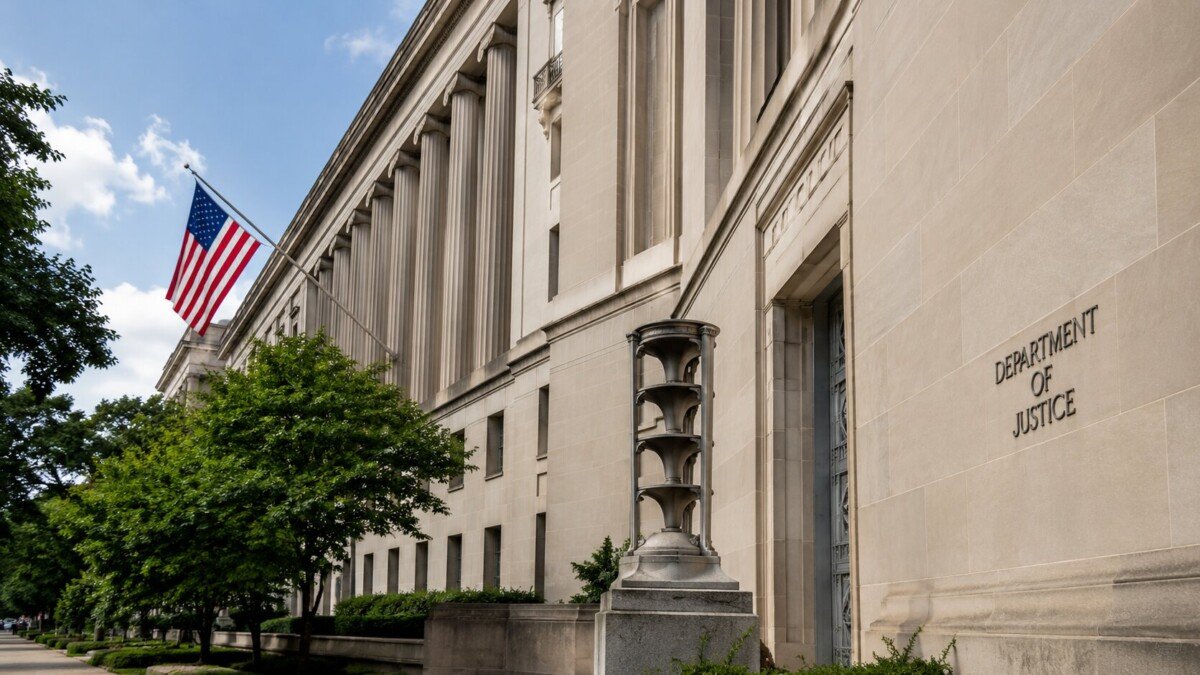
DOJ Settlement Payouts to Trump Allies Spark Controversy as Blanche Confirmation Hangs in Balance
A fight that began over a proposed $1.8 billion government fund has quietly shifted onto new ground — and it’s now entangled with the confirmation of the nation’s top law enforcement official. As acting Attorney General Todd Blanche seeks to secure the job permanently, the Justice Department has been making settlement payouts to people it describes as victims of government “weaponization,” drawing sharp scrutiny from critics and legal observers.
Here’s a clear, grounded look at what’s actually happening, why it’s contested, and what remains unresolved.
The Backdrop: A Lawsuit Against the IRS
To understand the current controversy, you have to start with an unusual legal case.
President Donald Trump filed a $10 billion lawsuit against the Internal Revenue Service tied to the earlier leak of his tax returns. That lawsuit was settled out of court — an agreement that drew sharp criticism from the federal judge overseeing the case. As part of the settlement, the administration proposed creating a roughly $1.776 billion “anti-weaponization fund” intended to compensate people who claimed they had been victimized by federal law enforcement.
The phrase “weaponization” has become a rallying cry among some Trump supporters, particularly in reference to prosecutions during the Biden administration. Critics warned the fund could end up compensating people prosecuted in connection with the January 6, 2021, Capitol riot.
The Fund Is “Dead” — But the Story Didn’t End
After significant backlash and legal challenges, the fund itself hit a wall.
A federal judge in the Eastern District of Virginia temporarily blocked its creation following a lawsuit, and the DOJ said it would abide by that ruling. Blanche then went further, telling a House Appropriations subcommittee in unambiguous terms that the administration would not pursue the fund. “We are not moving forward with the fund, period,” he testified.

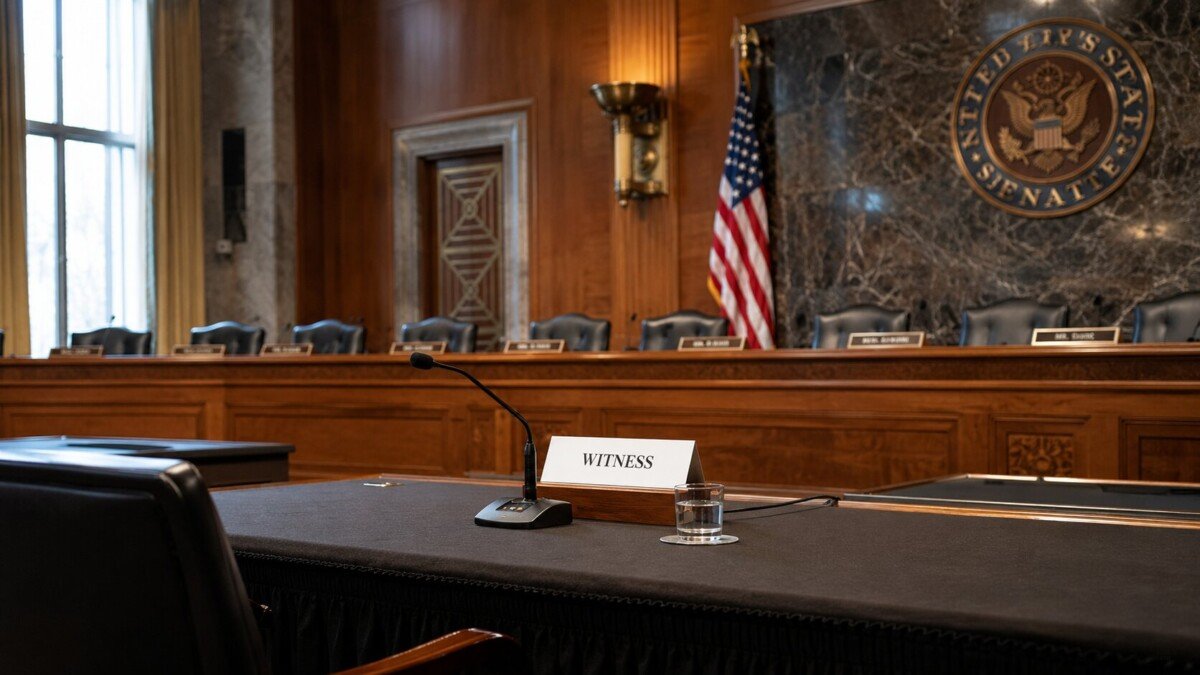
But according to reporting from The New York Times and other outlets, declaring the fund dead answered only one narrow question. It settled whether a new, dedicated compensation program would be created. It left open a far more consequential question: whether the administration would instead use existing federal law to achieve a similar result.
The New Mechanism: The Federal Tort Claims Act
This is where the controversy has migrated, and it’s the crux of the current debate.
Critics point out that the DOJ doesn’t actually need a special fund to compensate people it views as victims of political prosecution. It can use an existing statute — the Federal Tort Claims Act (FTCA) — along with ordinary settlement authority. The government has always had the power to pay out FTCA claims and reach settlements; that machinery is routine and long-standing.
What’s drawing objection is how observers say that authority is now being applied. Reporting indicates the DOJ has proceeded with settlement payouts to individuals who claim government persecution, effectively pursuing a similar end through a different, pre-existing legal avenue rather than the blocked fund.
The Payouts Under Scrutiny
Several specific settlements have become focal points, and they’re being reported and characterized very differently depending on the source.
Just two days before the Senate Judiciary Committee was set to vote on Blanche’s nomination, the DOJ announced a seven-figure payout to Paul Vaughn, an anti-abortion activist. Vaughn was convicted by a jury in 2024 in connection with conspiring to block access to an abortion clinic. Blanche has described Vaughn as a victim of Biden-era weaponization; critics counter that he was prosecuted under an existing law he was found to have broken.
Other reported settlements include a $1.25 million payment to Michael Flynn, Trump’s former national security adviser, and a seven-figure payout to the family of Ashli Babbitt, who was killed during the Capitol riot. In the Flynn case, congressional Democrats — including Rep. Jamie Raskin — have objected strongly, noting that a federal judge had previously dismissed Flynn’s malicious-prosecution claim, and questioning why taxpayer money was being directed to him.
Supporters of the administration frame these payments as legitimate redress for people they believe were unfairly targeted by the previous administration’s Justice Department. Critics describe them as improper uses of taxpayer funds to reward political allies. Readers should note these are competing characterizations of the same underlying payments.
How This Threatens Blanche’s Confirmation
The payouts and the underlying IRS settlement have become directly tangled with Blanche’s path to becoming permanent attorney general — and the math in the Senate is tight.
With Democrats uniformly opposed to Blanche, every single Republican senator would need to vote in favor for his nomination to advance out of committee and through the chamber. That gives individual Republicans significant leverage.
At least two — Sen. John Cornyn of Texas and Sen. Thom Tillis of North Carolina — signaled they could oppose Blanche unless the DOJ made “written modifications” to the IRS settlement. According to Cornyn, the administration refused to formally rescind the anti-weaponization fund in writing or modify the settlement, even though holding firm risked derailing the nomination. That standoff placed Blanche’s confirmation in genuine jeopardy.
Adding to the complexity, Blanche previously served as Trump’s personal criminal defense attorney, and he personally signed off on a May 19 addendum to the IRS settlement. That addendum reportedly extended protections to Trump and family members from certain tax enforcement actions on returns filed before the settlement, and included language barring the DOJ from pursuing cases based on “Lawfare and/or Weaponization” — terms critics note were not clearly defined. One Judiciary Committee Democrat warned that Blanche “hasn’t stopped being Trump’s personal lawyer.”
The Unresolved Question
Even taking Blanche’s testimony at face value — that the fund is dead and “not moving forward, ever” — the central concern raised by critics remains open.
The worry, as articulated across multiple analyses, is not really about the specific fund anymore. It’s about whether the administration will continue using existing legal tools like the FTCA to compensate individuals, potentially including January 6 defendants, without the transparency or oversight that a formal program might have required. That, critics argue, is the harder and more important issue — and it’s one Blanche’s assurances about the fund don’t directly address.
The Bottom Line
What started as a battle over a headline-grabbing $1.8 billion fund has evolved into a subtler and arguably more consequential dispute: whether the Justice Department is using routine, pre-existing legal mechanisms to direct settlement money toward people the administration views as victims of political persecution.
Blanche maintains the fund is finished. His critics maintain that the payouts already underway — to figures like Vaughn, Flynn, and the Babbitt family — show the outcome can be achieved without it. With his confirmation depending on near-unanimous Republican support and at least two senators voicing concerns, the standoff sits at the intersection of law, politics, and the powers of the office Blanche hopes to hold permanently. How it resolves will say a great deal about both his future and the boundaries of DOJ settlement authority.