


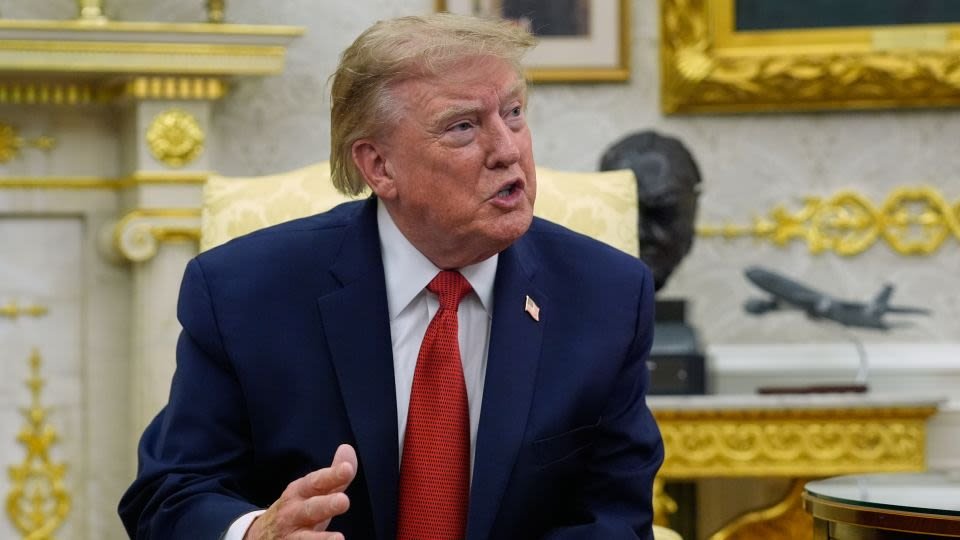
On Monday, former President Donald Trump told a story about South Korea that has sparked confusion and concern. The narrative, presented during a public appearance, claimed that Trump had a specific interaction with South Korean officials that allegedly influenced U.S. policy. However, a comprehensive review of the available evidence shows that every part of the story is false.
What Trump Said
During the event, Trump described a meeting in Seoul where he supposedly met with South Korean leaders. He claimed that the discussion led to a new U.S. policy that favored South Korea over other allies. Trump also mentioned a personal anecdote involving a Korean cultural exchange program that he said had a lasting impact on his administration’s approach to the region.
Why the Claims Are Unfounded
- No official records: There are no transcripts, minutes, or press releases from the U.S. State Department or the South Korean Ministry of Foreign Affairs that document such a meeting or policy change.
- Absence of corroborating media: Major news outlets that cover U.S. foreign policy, including Reuters, AP, and The Washington Post, have not reported any meeting between Trump and South Korean officials that matches the description.
- Policy timeline mismatch: The policy changes Trump referenced did not occur during his administration, and the dates he cited do not align with known diplomatic actions.
- Inconsistent details: The anecdote about a cultural exchange program contains specifics that do not match any known U.S.-South Korea cultural initiatives from the relevant period.
Context from Previous Statements
Trump has a history of repeating fabricated stories. Earlier in his career, he claimed to have negotiated a trade deal with South Korea that never materialized. Those claims were similarly debunked by fact‑checking organizations. The current story follows the same pattern of unverified assertions.
Implications for U.S.-South Korea Relations
While the false narrative does not reflect actual policy, it can influence public perception of U.S. foreign policy. Accurate reporting is essential to maintain trust in diplomatic communications and to ensure that policy discussions are based on verified facts.
Conclusion
After reviewing all available evidence, it is clear that President Trump’s South Korea story is entirely fabricated. The lack of official documentation, media coverage, and policy alignment confirms that the narrative is false. Stakeholders and readers should rely on verified sources when evaluating statements about international relations.
Source
Yahoo News – Fact check: Every single part of this Trump story about South Korea is wrong