


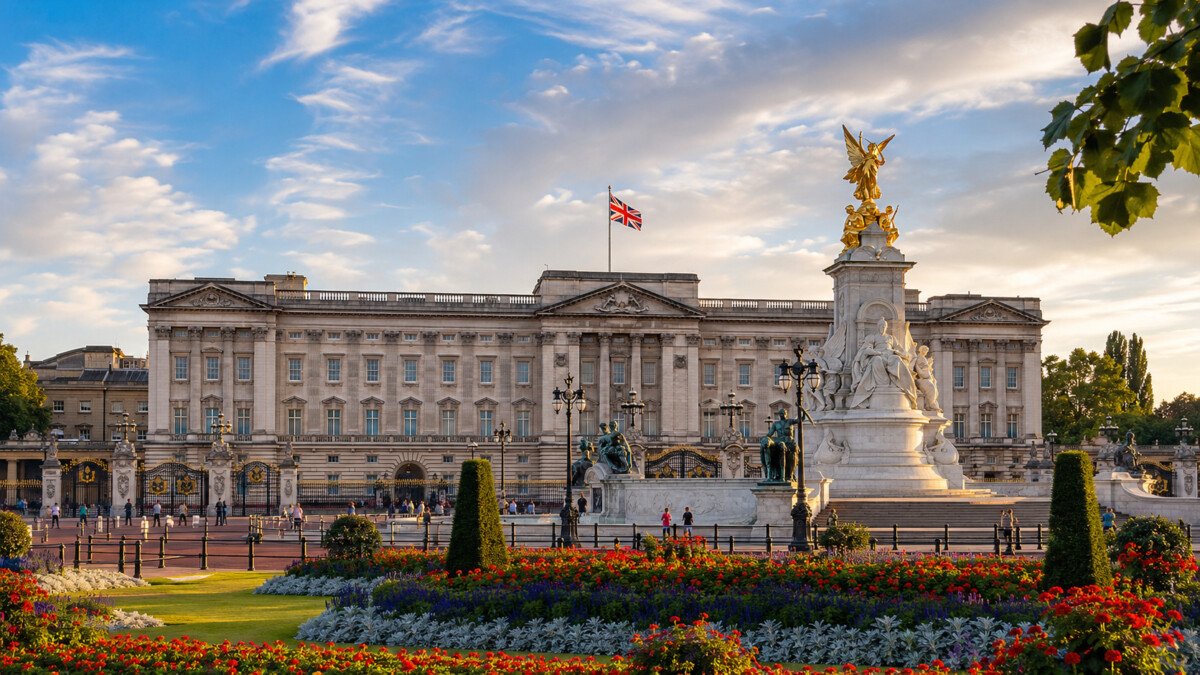
King Charles’ Buckingham Palace Decision Just Rewrote Nearly 200 Years of Royal History
For almost two centuries, one address has defined the British crown. Now, King Charles III has made a call that quietly upends it — and not everyone is applauding.
The King and Queen Camilla have confirmed they will not move into Buckingham Palace as their permanent home once its sweeping renovation wraps up. Instead, they’ll stay put at Clarence House, their London residence of more than two decades. In doing so, Charles has drawn a line under a tradition that stretches all the way back to Queen Victoria in 1837.
It’s the kind of decision that sounds like a simple housing preference on the surface. Look closer, though, and it may reshape how the monarchy lives — and how the public experiences its most famous building — for generations.
Why King Charles Is Staying at Clarence House
Here’s the twist most people don’t expect: King Charles’ Buckingham Palace was never really the cozy family home everyone imagines.
With a staggering 775 rooms, the Palace functions far more like a government headquarters than a place to put your feet up. Royal aides have long described it as the operational nerve center of the monarchy rather than a comfortable residence — and Charles has always preferred a firm boundary between his official duties and his private life.
Clarence House, just a short walk down The Mall, has been his London base since 2003. It’s stitched with decades of personal memories. So rather than uprooting his life for the Palace once renovations finish, the couple simply chose to stay where they already feel at home. That makes Clarence House the new permanent home of King Charles and Camilla, while Buckingham Palace keeps its grander, more public role.
A Palace That Now Belongs More to the People
One of the biggest drivers behind the move? Public access.
Without a monarch living in the private apartments, officials plan to throw open far more of the building to visitors — expanding beyond the traditional summer opening and letting the public explore areas that were previously off-limits year-round.
Buckingham Palace will still host state banquets, investitures, and diplomatic receptions, and will remain the Royal Household’s official headquarters. But the shift fits neatly with Charles’ vision of a leaner, more modern, more open monarchy — one that treats its landmark building as both a working institution and a national treasure people can actually enjoy.
The History of Buckingham Palace: A Tradition Born in 1837
To understand why this matters, it helps to know the history of Buckingham Palace itself.
The story starts earlier than most assume. The property began life as Buckingham House, purchased by King George III in 1761 for Queen Charlotte. Over the following decades, it was steadily transformed into the sprawling palace the world recognizes today.
Then came the defining moment: in 1837, Queen Victoria became the first sovereign to live there, cementing Buckingham Palace as the official London residence of Britain’s reigning monarch. From that day, for nearly 190 years, every monarch has called it home — until Charles.
Not Everyone Is on Board
Predictably, the announcement has split opinion.
Supporters see it as classic Charles: modernizing the institution and handing one of Britain’s most iconic buildings back to the public. Critics, though, have raised eyebrows at the timing. Taxpayers funded a decade-long, £369 million reservicing programme for the Palace — and some question how you justify that kind of public spending if the King ultimately decides not to live there at all.
Could Buckingham Palace Never Have a Resident Monarch Again?
This is where the ripple effect gets interesting.
Reports suggest Prince William has shown little appetite for making Buckingham Palace his permanent home either. If that holds true, Charles’ decision may not be a one-off at all — it could mark the start of a lasting change, with the Palace serving purely as a ceremonial and administrative center for future generations.
In other words, the building that has symbolized the crown since Victoria’s era may keep its role as the public face of the monarchy while quietly closing the book on nearly two centuries as a royal home.
For a King who has spoken often about slimming down and modernizing the institution, it might just be his most defining legacy yet.