

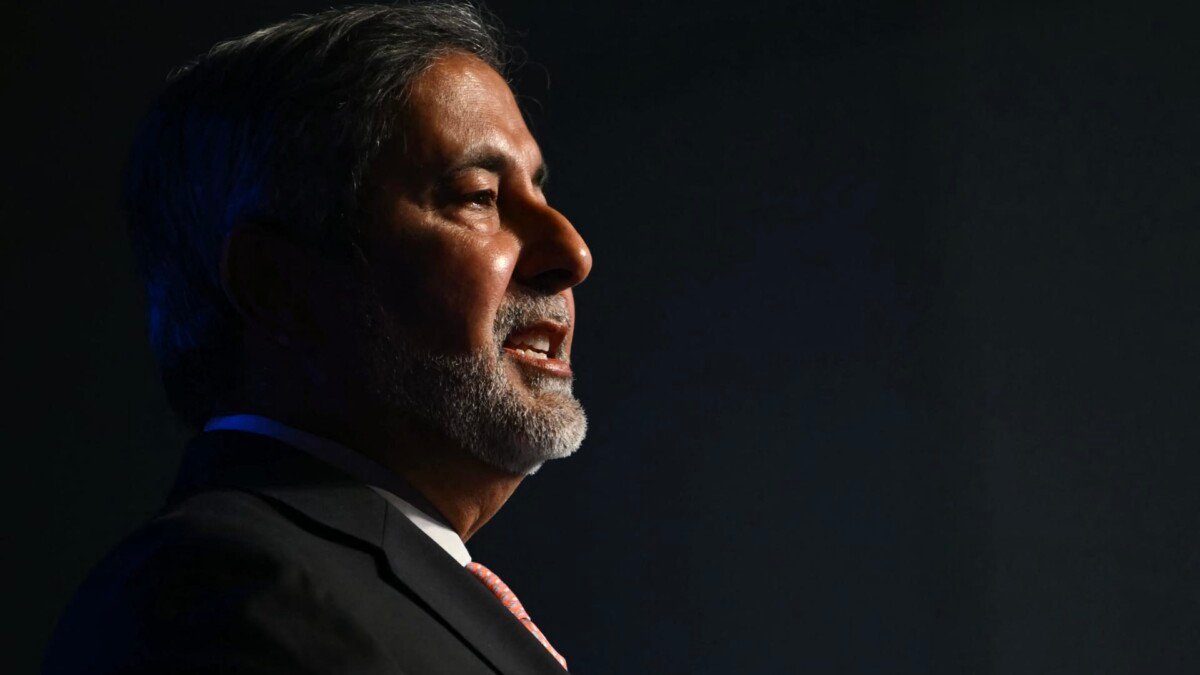
Micron Technology Inc. (NASDAQ: MU) has long been a focal point for investors tracking the cyclical nature of the memory market. In a recent interview with CNBC host Jim Cramer, Micron’s chief executive officer, Sanjay Mehrotra, offered a comprehensive rebuttal to the prevailing bear case that has weighed on the company’s stock. The conversation, which aired on Thursday night, provided a detailed look at Micron’s strategy, product pipeline, and market outlook, and it has already influenced the sentiment of several institutional investors.
Addressing the Bear Case
Mehrotra began by acknowledging the concerns that have surfaced over the past few months. The memory market has experienced a contraction in demand, particularly in the consumer and automotive sectors, leading analysts to question the sustainability of Micron’s revenue growth. However, the CEO emphasized that the company’s fundamentals remain robust. He highlighted the company’s strong balance sheet, its ability to manage inventory levels, and its focus on high-margin products such as high-bandwidth memory (HBM) and 3D XPoint technology.
Strategic Focus on High-Performance Memory
One of the key takeaways from the interview is Micron’s continued investment in high-performance memory solutions. The CEO explained that the company is expanding its production capacity for HBM, which is in high demand from data center operators and artificial intelligence (AI) workloads. This shift aligns with the broader industry trend toward more powerful and energy-efficient memory modules. By positioning itself at the forefront of this niche, Micron aims to capture a larger share of the premium segment, which offers higher margins compared to commodity DRAM.
Supply Chain Resilience and Cost Management
Mehrotra also addressed supply chain challenges that have plagued the semiconductor industry. He outlined Micron’s efforts to diversify its supplier base and to secure long-term contracts for critical raw materials. The CEO noted that these measures have helped mitigate the risk of production bottlenecks and have allowed the company to maintain a steady supply of memory chips to its customers.
In terms of cost management, Micron has implemented a disciplined approach to capital allocation. The CEO highlighted the company’s focus on reducing operating expenses and improving manufacturing efficiency. These initiatives are expected to translate into higher operating margins, even in a market environment that is characterized by price volatility.
Financial Outlook and Guidance
While the interview did not provide a detailed financial forecast, Mehrotra reaffirmed Micron’s confidence in its upcoming earnings. He emphasized that the company’s revenue growth trajectory is supported by strong demand from cloud service providers and enterprise storage solutions. The CEO also mentioned that Micron is actively exploring opportunities in emerging markets, such as edge computing and automotive electronics, which could provide additional growth avenues.
Impact on Investor Sentiment
The interview has already had a noticeable effect on investor sentiment. Several institutional investors, including those holding positions in semiconductor-focused ETFs such as the iShares Semiconductor ETF (SOXX) and the SPDR S&P Semiconductor ETF (XSD), have expressed renewed confidence in Micron’s prospects. Moreover, the discussion has prompted a reevaluation of the bear case that had previously dominated market commentary.
Conclusion
Micron Technology’s CEO, Sanjay Mehrotra, delivered a compelling narrative that counters the prevailing bearish sentiment in the memory market. By focusing on high-performance memory, strengthening supply chain resilience, and maintaining disciplined cost management, Micron is positioning itself to navigate the cyclical nature of the semiconductor industry. Investors who were previously cautious may find the CEO’s insights reassuring, potentially leading to a more favorable outlook for Micron’s stock in the coming quarters.
Source: CNBC – Micron CEO pushes back on memory bear case. 3 key takeaways from Cramer’s big interview