

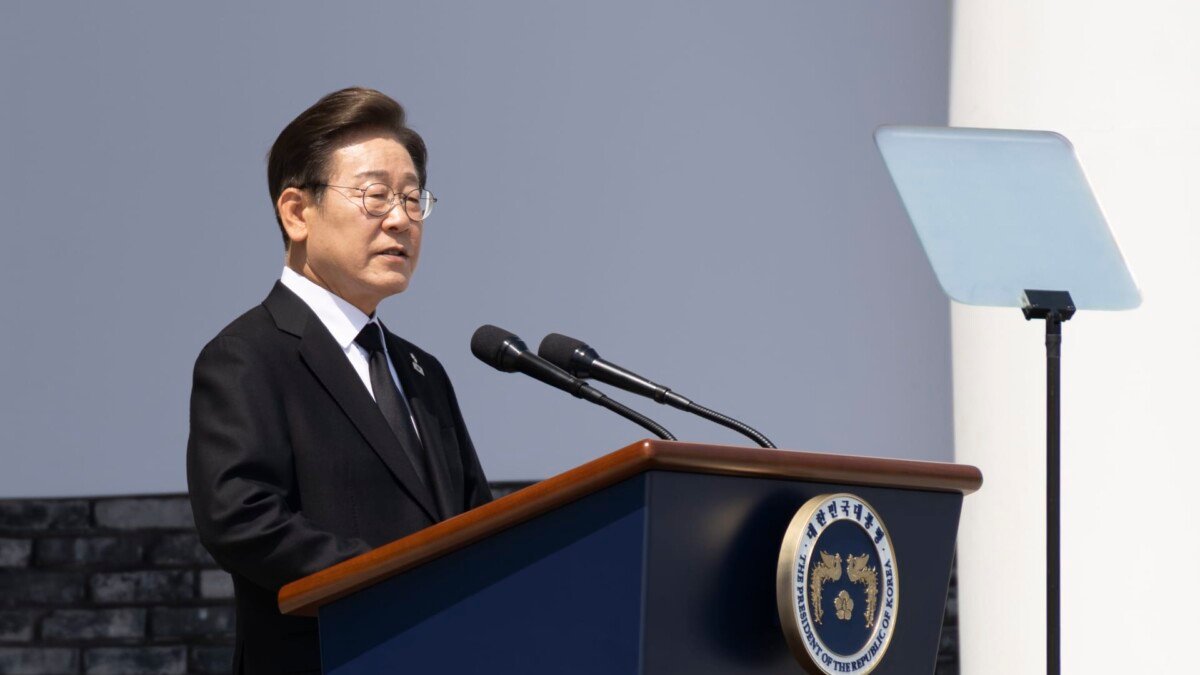
In a statement issued after President Donald Trump announced a reduction in the annual U.S.–South Korea joint military exercises, South Korean President Lee Jae‑myung cautioned that the nation must prepare for a worst‑case scenario. Lee emphasized that the drills are defensive in nature and are not intended to provoke North Korea or heighten tensions on the peninsula.
Background on the Joint Exercises
The annual drills, known as the “Freedom Shield” exercises, have been a staple of the U.S.–South Korea security partnership for decades. They are designed to test the readiness of both militaries to respond to potential threats, particularly from North Korea. The exercises involve large‑scale maneuvers, live‑fire drills, and coordinated operations between U.S. and South Korean forces.
Trump’s Decision to Cut the Drills
President Trump’s decision to reduce the scope of the joint exercises was part of a broader effort to recalibrate U.S. military commitments in the region. While the exact details of the reduction were not disclosed, officials indicated that the change would involve fewer troop deployments and a scaled‑back exercise schedule.
Lee’s Warning on National Security
In response, President Lee issued a statement urging the South Korean public and government to brace for a worst‑case scenario. He highlighted the importance of maintaining a robust defense posture despite the changes in the U.S. exercise schedule. Lee reiterated that the drills are defensive and not intended to provoke North Korea.
Implications for the U.S.–South Korea Alliance
The announcement has raised questions about the future of the U.S.–South Korea alliance. Analysts note that while the reduction may signal a shift in U.S. strategic priorities, the core commitment to South Korea’s security remains intact. The alliance continues to be a key deterrent against North Korean aggression.
Regional Reactions
Reactions from regional actors have been mixed. While some officials in the United States welcomed the move as a step toward reducing military tensions, others expressed concern about the potential impact on deterrence. North Korea’s leadership has not yet issued a formal response to the announcement.
Conclusion
As the U.S. and South Korea navigate this new phase of their security relationship, President Lee’s warning underscores the ongoing need for vigilance. The joint exercises, though scaled back, remain a critical component of the alliance’s deterrence strategy. The world will be watching to see how the two nations adjust their defense posture in the coming months.
Source: CNBC