

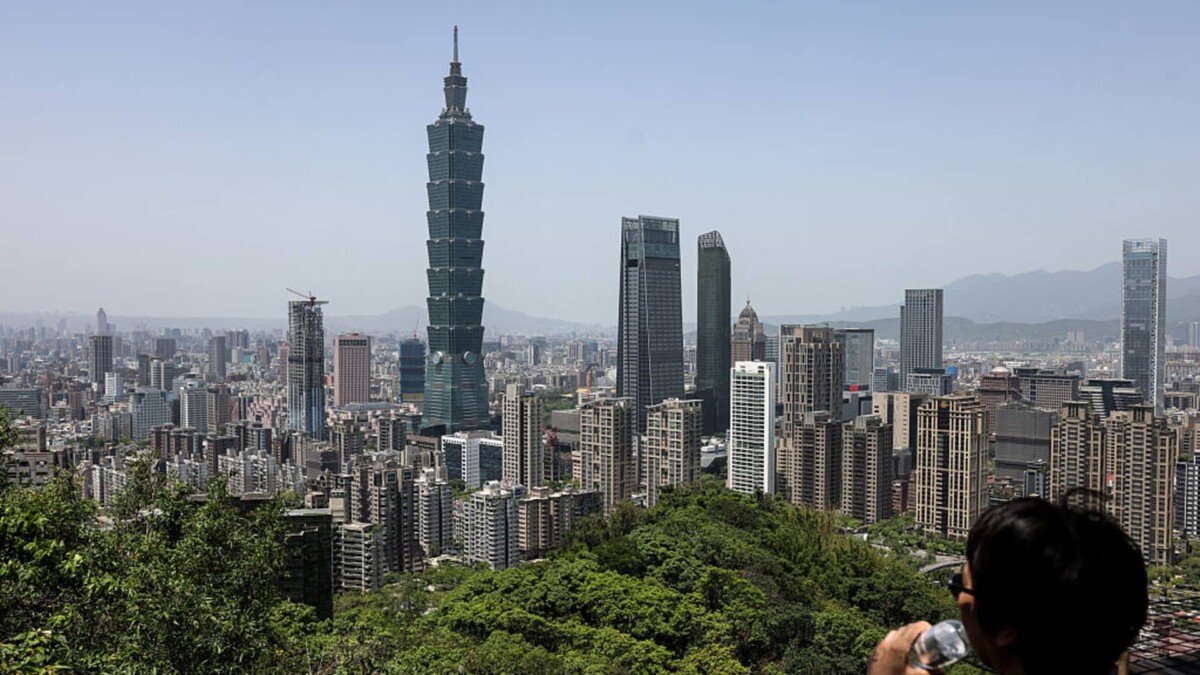
In a recent forecast, Taiwan’s economic planners projected an impressive 11% increase in gross domestic product for the coming year. The figure, while striking, has drawn skepticism from economists who argue that the growth may not be sustainable in the long term.
Key Drivers Behind the Forecast
The projection is largely driven by the country’s robust semiconductor industry, which continues to dominate global supply chains. Taiwan Semiconductor Manufacturing Company Limited (TSMC) remains a pivotal player, and its expansion plans are expected to inject significant capital into the economy.
Additionally, the government’s push for technology-driven innovation and infrastructure upgrades is anticipated to boost productivity. These initiatives are part of a broader strategy to maintain Taiwan’s competitive edge in high‑tech manufacturing.
Risks That Could Temper Growth
Despite the optimistic outlook, several risks could dampen the projected growth trajectory:
- Capital Expenditure Slowdown: A potential slowdown in capital spending, especially in the semiconductor sector, could reduce the momentum that underpins the forecast.
- Macroeconomic Downturns: Global economic uncertainties, including trade tensions and fluctuating demand, may exert downward pressure on Taiwan’s export‑dependent economy.
- Sector Concentration: The heavy reliance on semiconductors makes the economy vulnerable to sector‑specific shocks, such as supply chain disruptions or technological shifts.
Implications for Investors
Investors monitoring Taiwan’s market should consider the potential volatility associated with these risks. Funds focused on the region, such as the iShares MSCI Taiwan ETF and the iShares Semiconductor ETF, may experience fluctuations that reflect the underlying economic uncertainties.
While the semiconductor industry remains a cornerstone of Taiwan’s economic strategy, a diversified approach to investment could help mitigate exposure to sector‑specific downturns.
Looking Ahead
Economists emphasize the importance of monitoring capital investment trends and global economic conditions. A sustained slowdown in capex or a broader macroeconomic downturn could significantly alter Taiwan’s growth prospects.
Policy makers may need to balance aggressive growth targets with realistic assessments of the country’s economic resilience, ensuring that infrastructure and innovation initiatives are supported by stable investment flows.
Source
Source: CNBC